THYROID NOTES:
Low thyroid hormone levels (hypothyroidism) cause the body’s metabolism to slow down, triggering fatigue, weight gain, cold intolerance, dry skin, and constipation. If left untreated, severe cases can lead to high cholesterol, heart conditions, nerve damage, and fertility issues.
- Metabolism & Weight: A sluggish metabolism often results in unexplained weight gain, puffiness in the face or extremities, and a higher sensitivity to cold temperatures.
- Energy & Mood: Chronic fatigue, slowed heart rate, memory lapses, and depressive symptoms are common as hormone levels drop. Anxiety & depression.
- Skin & Hair: The slowing of bodily processes causes dry, coarse skin, thinning hair, and brittle nails.
- Gastrointestinal: Decreased motility frequently leads to persistent constipation.
- Reproductive System: Low levels can cause irregular or heavy menstrual periods and interfere with fertility.
- Testosterone – Low thyroid hormone makes testosterone levels lower than normal resulting in weight gain, depression, and a reduction in metabolism.
- Insulin – Low thyroid hormone results in insulin resistance which exacerbates weight gain and makes weight loss difficult.
- Leptin – Low thyroid hormone results in leptin resistance which alters basal metabolic rate and increases appetite dramatically.
- Cortisol – Low thyroid hormone results in higher than normal cortisol levels and therefore low energy levels.
- Progesterone – Low thyroid hormone results in low progesterone which leads to imbalances in the estrogen/progesterone ratio and may cause estrogen-dominant conditions and symptoms.
- Not sleeping well.
- Chronic pain and muscle tenderness – unexplained aches and pains
- Cold hands/feet or lower-than-normal body temperature — You may feel hot and sweat all the time, even if you’re in a cold environment,
- You feel puffy or bloated
- Brain fog is a very common complaint in people with hypothyroidism. You may find it difficult to focus, concentrate, or make decisions. Your thinking may seem disorganized, and you may occasionally feel confused. You may even find it difficult to read or do numerical calculations.
- irregular heart rhythms
- Vision disturbances
- Neuropathy – numbness and tingling in the hands and/or feet – is also common.
- Some people with hypothyroidism experience vertigo, a feeling of dizziness and loss of balance.
- you may notice pain, tenderness, or stiffness in your neck.
- Feeling weak
- It’s common for your tongue to feel thicker than normal. You may even notice that the edges of your tongue have become “scalloped,” due to pressure against your teeth.
- When you’re hypothyroid, you may experience changes to your voice. It can sound more hoarse and husky, or more gravelly than normal.
- Bloating is often experienced in hypothyroidism, especially ascites, an accumulation of fluid in the abdominal area. You may have abdominal discomfort and distention, or notice weight gain in the abdominal area (aka “belly fat.”) Fluid retention can also affect other areas, including the face, eyelids, hands, ankles, and feet.
- Slowing down: The thyroid gland produces hormones that provide energy, and when we don’t have enough energy, everything can slow down. You may notice this slowness in several ways:
- Your movements may be slower than normal for you
- Your speech may be slower
- Your thinking and decision making may be slower
- The heart is especially sensitive to low levels of thyroid hormone, and you may notice a number of heart-related signs and symptoms. These include:
- An unusually slow pulse rate or slow heart rate. (You may even be told “you have the heart rate of a marathon runner!”)
- Unusually low or high blood pressure
- Heart palpitations, flutters, skipped beats, strange patterns or rhythms
- Elevated cholesterol levels
- Gastrointestinal and Digestive Issues: People with hypothyroidism often have a variety of other gastrointestinal and digestive problems and related symptoms. These include:
- Constipation
- Acid Reflux
- Leaky Gut
- Celiac Disease
- SIBO – Small Intestinal Bacterial Overgrowth
- Nasal Issues and Breathing Problems
- Some people with hypothyroidism report asthma-like symptoms, including periodic shortness of breath, tightness in the chest, and a feeling known as air hunger. You may find yourself frequently yawning as a way to get a full breath.
- Snoring and sleep apnea can also be associated with hypothyroidism.
- Hearing and Ear Symptoms
- Problems with hearing are a little-known symptom of hypothyroidism. These problems include tinnitus (ringing or roaring in the ears) and sudden hearing loss. People with hypothyroidism also report a tendency to build up excessive earwax, which can cause pain, temporary hearing impairment, and ear infections.
Muscle and Joint Issues
Hypothyroidism is known to affect muscles and joints. Muscle aches and muscle cramps are common. You may notice that your arms, shoulders, and/or legs feel especially weak. You may even experience episodes of hypothyroid myopathy — extreme muscle weakness that makes it difficult to walk or raise your arms over your head. In addition to muscle pain, it’s also common to have pains, aches, and stiffness in various joints.
Several conditions are also more common in hypothyroidism, including:
- Carpal-tunnel syndrome, which causes pain and weakness in the fingers, wrist, and forearms
- Tarsal-tunnel syndrome, which causes pain and weakness in the toes, feet, ankles, and shins
- Foot pain, especially plantar’s fasciitis, which causes pain in the balls of the feet
Skin and Face Problems
Changes in the skin and face are common. You may notice that your mucous membranes in the mouth and eyes are especially dry and sensitive. It’s also common to have puffiness and swelling around your eyes and eyelids. Skin in general may become dry, itchy, and scaly.
It’s also more common in hypothyroidism and Hashimoto’s to have more frequent episodes of hives or angioedema (swelling under the skin).
Hand and Nail Issues
Some people notice hypothyroidism symptoms in their hands and nails. You nails may become dry, brittle, and break more easily. Fingernails may also develop noticeable ridges.
It’s also common for hands to be puffy or swollen, and you may notice pain in your finger joints.
It’s also common to experience neuropathy, numbness or “pins and needles” sensations in your hands and fingers.
Hair Changes
Hair is one of the places where hypothyroidism symptoms can be very visible. One of the most telltale signs of hypothyroidism is loss of hair from the outer edge of the eyebrows.
You may also notice that your hair is falling out more than usual. This can affect not just hair on your head, but body hair as well. Dry hair is a common symptom, and hair texture can also change, becoming rougher and coarser. Brittle hair is a common complaint of hypothyroidism. You may notice that your hair breaks more easily.
An interesting but little-known sign: Patients with autoimmune Hashimoto’s are also more likely to develop prematurely grey hair.
Legs, Feet, and Toe Problems
Hypothyroidism can affect your legs, feet and toes in several ways. You may notice that your toes are puffy or swollen, and you may have pain in the toe joints. Feet can also become swollen.
Two characteristic conditions that are more common with hypothyroidism are tarsal tunnel syndrome, which can cause pain and weakness in the toes, feet, ankles, and lower legs, and plantar’s fasciitis, which can cause pain in the balls of the feet.
Vision and Eye Issues
Problems with your eyes are often reported in hypothyroid patients. Most common is dry eyes, with sensitivity, a gritty feeling, and blurry vision. You may notice that your eyes are tearing and watering frequently. Your upper and lower eyelids can appear irritated and puffy.
One unusual symptom reported by some hypothyroid patients is an increase in tics and twitches in the eyes and eyelids.
Depression and Anxiety
Changes in your mood are very common in hypothyroidism. You may notice that your moods change easily, and you may find yourself experiencing periods of depression, anxiety, or both.
One characteristic sign of hypothyroidism is treatment-resistant depression and anxiety. If you’re taking a antidepressant for your condition and it’s not working, this could be related to hypothyroidism.
Menstrual Issues
Hypothyroidism can have a dramatic effect on the menstrual cycle and symptoms. You may have the complete cessation of menstrual periods (but you’re not in menopause.) You may also notice that irregular periods, or periods that come less frequently.
It’s common for women with hypothyroidism to experience unusually heavy periods, and they may also be longer than normal. You may also notice that premenstrual syndrome (PMS) seems to have gotten worse.
Sexual Dysfunction
A low or nonexistent sex drive is a common complaint when you have an underactive thyroid gland.
Women describe difficulty getting enough lubrication, and men have higher rates of erectile dysfunction, in some cases due to low testosterone levels associated with hypothyroidism.
Both men and women also complain of more difficulty reaching orgasm.
Fertility Challenges
Healthy thyroid function is essential to fertility and conception. Hypothyroid patients report fertility challenges and difficulty getting pregnant. A history of one or more miscarriages is also common. If you track fertility signs, or use an ovulation predictor, you may also detect signs that you are not ovulating.
Some women who have failed assisted reproduction treatments – including in vitro fertilization (IVF) and donor eggs – have discovered that their hypothyroidism was a factor in the failed treatment.
Symptoms During and After Pregnancy
Pregnancy and the postpartum period also common times for hypothyroidism and Hashimoto’s to show up in women. It can be confusing, however, because the symptoms are also seen in pregnant and postpartum women who don’t have a thyroid condition.
You may discover you’re hypothyroid during pregnancy if you have excessive weight during pregnancy, or extreme fatigue during pregnancy.
Postpartum hypothyroidism symptoms can include:
- Low milk supply, and difficulty breastfeeding
- Extreme and abnormal fatigue
- Difficulty losing the baby weight
- Depression and mood swings
- Loss of large amounts of hair
- Brain fog and difficulty concentrating
Other Symptoms
Some other signs and symptoms that don’t fit the above categories include the following:
- People with hypothyroidism often report more headaches and migraine attacks associated with their condition.
- Exercise intolerance – where you feel wiped out longer than normal after a workout or physical activity
- Worsening allergies – including seasonal allergies and food allergies
- If your breasts are leaking milk, but you are not currently lactating or breastfeeding, this can be a sign of hypothyroidism
- You may experience changes in your sense of smell and taste. In particular, some people with hypothyroidism report phantosmia (where you experience phantom smells, like cigarette smoke)
Eating and Drinking Habits
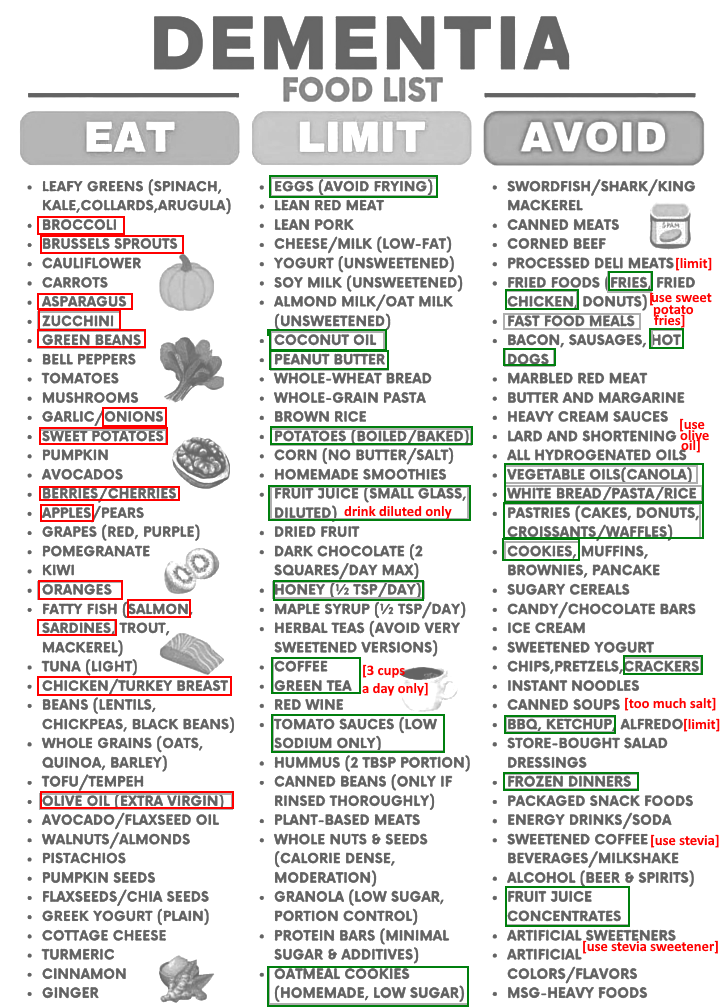
Several eating and drinking habits can contribute to your risk of hypothyroidism. These include:
- Overconsumption of soy products
- Overconsumption of raw goitrogenic vegetables (like spinach, kale, and broccoli)
- Daily raw juicing of raw goitrogenic vegetables
- Elimination of salt from the diet – especially iodized salt
It’s also notable that some hypothyroid patients report salt cravings.
Family and Personal History
Hypothyroidism is more common if you have a personal or family history of other thyroid problems. Similarly, your risk of developing Hashimoto’s thyroiditis – the most common cause of an underactive thyroid in the U.S. – is also higher if you have a medical history of any autoimmune disease, personally, or in your family.
While thyroid problems can trigger obesity, there’s also evidence that obesity is a risk factor for hypothyroidism and Hashimoto’s.
Your risks are also higher if you have another condition associated with Hashimoto’s or hypothyroidism, including:
Finally, hypothyroidism is more common in people who:
Link:
https://www.palomahealth.com/learn/hypothyroidism-signs-symptoms?utm_source=Google&utm_medium=CPC&utm_campaign=PMax-Nutritionist&utm_content=&utm_placement=c&utm_term=&gad_source=1&gad_campaignid=19768284656&gclid=EAIaIQobChMI-u_0k7rhlQMVzxOtBh0qQAy6EAAYBCAAEgIBNvD_BwE